
Understanding the Craft of Handcrafted Clay Pottery
- 1ceramicso
- Mar 2
- 4 min read
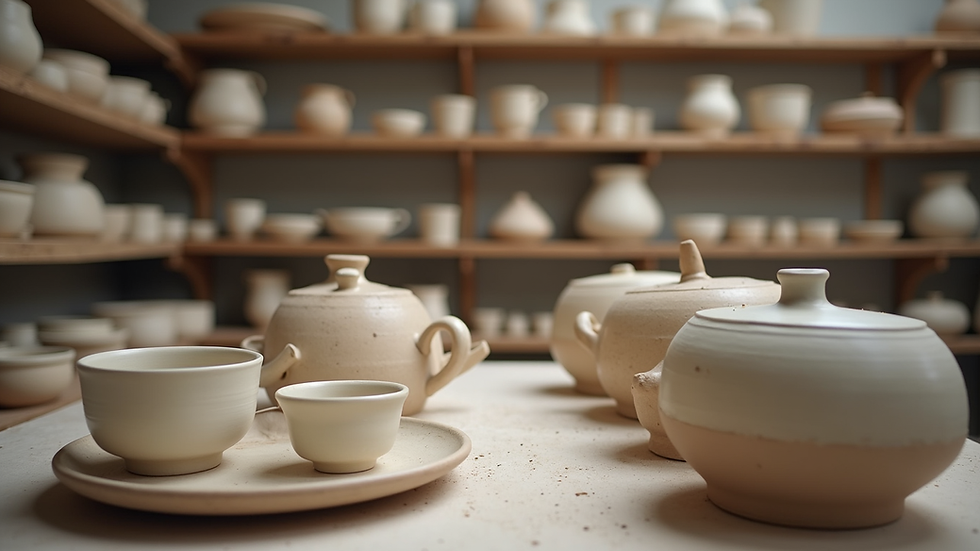
Clay pottery has a long history and remains a valued art form today. The process of creating handcrafted clay pottery involves skill, patience, and attention to detail. This article explores the craft of making clay pottery, focusing on the techniques, materials, and cultural significance. It also highlights the unique qualities that make handcrafted pieces special for home decor and art collections.
The Basics of Handcrafted Clay Pottery
Handcrafted clay pottery starts with selecting the right type of clay. Different clays have different properties, such as plasticity, colour, and firing temperature. Potters often choose clay based on the desired final product. For example, earthenware clay is softer and fires at lower temperatures, while stoneware is harder and more durable.
The process begins by preparing the clay. This includes wedging, which removes air bubbles and ensures an even texture. The potter then shapes the clay using various methods:
Wheel throwing: The clay is centred on a spinning wheel and shaped by hand.
Hand building: Techniques like coiling, pinching, and slab building are used to form shapes without a wheel.
Moulding: Clay is pressed into or over a mould to create consistent shapes.
After shaping, the pottery must dry slowly to avoid cracking. Once dry, it is bisque fired in a kiln to harden the clay. This firing prepares the piece for glazing, which adds colour and a protective surface. A final glaze firing completes the process.

Techniques and Tools in Handcrafted Clay Pottery
The craft of pottery uses a variety of tools to refine and decorate pieces. Basic tools include ribs, sponges, trimming tools, and wire cutters. These help smooth surfaces, remove excess clay, and create textures.
Decoration techniques vary widely. Some common methods are:
Carving: Removing clay to create patterns or images.
Incising: Cutting fine lines into the surface.
Slip trailing: Applying liquid clay to add raised designs.
Sgraffito: Scratching through a coloured slip to reveal the clay beneath.
Glazing is a critical step that affects both appearance and function. Potters mix different minerals to create glazes that can be glossy, matte, transparent, or opaque. The firing temperature influences the final colour and texture.
The entire process requires careful timing and control. For example, drying too quickly can cause warping, and firing at the wrong temperature can ruin the glaze.
The Cultural and Historical Context of Clay Pottery
Clay pottery has been part of human culture for thousands of years. It served practical needs such as storage, cooking, and transport. Over time, it also became a medium for artistic expression.
In London and surrounding areas, the tradition of pottery reflects local materials and styles. The clay found in the region has unique qualities that influence the texture and colour of the finished pieces. This local clay has been used by potters for centuries, contributing to a distinct regional craft.
Today, many artisans continue to work with this heritage, blending traditional methods with modern designs. This connection to history adds value and meaning to handcrafted pottery.

Practical Tips for Caring for Handcrafted Clay Pottery
Owning handcrafted clay pottery requires some care to maintain its beauty and durability. Here are practical recommendations:
Cleaning: Use mild soap and warm water. Avoid harsh chemicals or abrasive scrubbers that can damage the glaze.
Handling: Handle with care to prevent chips or cracks. Avoid sudden temperature changes, which can cause thermal shock.
Storage: Store in a dry place. If stacking, place soft padding between pieces to avoid scratches.
Use: Some pottery is decorative only, while others are functional. Check if the piece is food-safe or microwave-safe before use.
Regular maintenance helps preserve the craftsmanship and extends the life of the pottery.
Why Choose Handcrafted Clay Pottery for Home Decor
Handcrafted clay pottery offers unique qualities that mass-produced items cannot match. Each piece is one of a kind, reflecting the potter’s skill and creativity. The natural textures and subtle imperfections add character and warmth to any space.
Using handcrafted pottery in home decor can:
Add a tactile and visual element that complements other materials.
Serve as a conversation piece with a story behind it.
Support artisans and preserve traditional crafts.
For those interested in authentic and meaningful decor, handcrafted pottery is a valuable choice. It brings a sense of history and artistry into everyday life.
One can explore a variety of styles and forms, from rustic to contemporary, to suit different tastes and interiors. For example, london clay pottery offers a range of handmade pieces that combine local tradition with modern design.
Exploring the Future of Clay Pottery Craftsmanship
The craft of clay pottery continues to evolve. New technologies and materials offer potters more options, but the core skills remain essential. Many artists experiment with innovative shapes, glazes, and firing techniques.
At the same time, there is a growing appreciation for handmade and sustainable products. This trend supports the revival of traditional crafts and encourages ethical production.
For collectors and decorators, this means access to a diverse and dynamic range of pottery. It also means investing in pieces that carry cultural significance and artistic value.
Handcrafted clay pottery remains a vibrant and relevant art form. It connects the past with the present and enriches living spaces with beauty and craftsmanship.


Comments