
Discovering the Trends in Ceramic Art and Design
- 1ceramicso
- Dec 3, 2025
- 4 min read
Ceramic art design trends continue to evolve, reflecting changes in culture, technology, and consumer preferences. This post explores the current directions in ceramic art and design, highlighting key styles, materials, and techniques. It also offers practical advice for those interested in incorporating these trends into their collections or home decor.
Understanding Ceramic Art Design Trends
Ceramic art design trends often mirror broader artistic movements and lifestyle changes. Today, there is a strong focus on sustainability, craftsmanship, and individuality. Many artists and designers emphasize handmade qualities and natural materials. This approach appeals to those who value authenticity and uniqueness in their decor.
One notable trend is the revival of traditional techniques combined with modern aesthetics. For example, potters use ancient glazing methods but apply them to contemporary forms. This blend creates pieces that feel both timeless and fresh.
Another trend is the use of organic shapes and textures. Instead of perfect symmetry, many ceramics feature irregular edges and tactile surfaces. This style adds a natural, earthy feel to interiors.

Key Ceramic Art Design Trends in 2024
Several specific trends dominate the ceramic art scene this year. These trends reflect the desire for personal expression and environmental awareness.
Earth Tones and Natural Colours
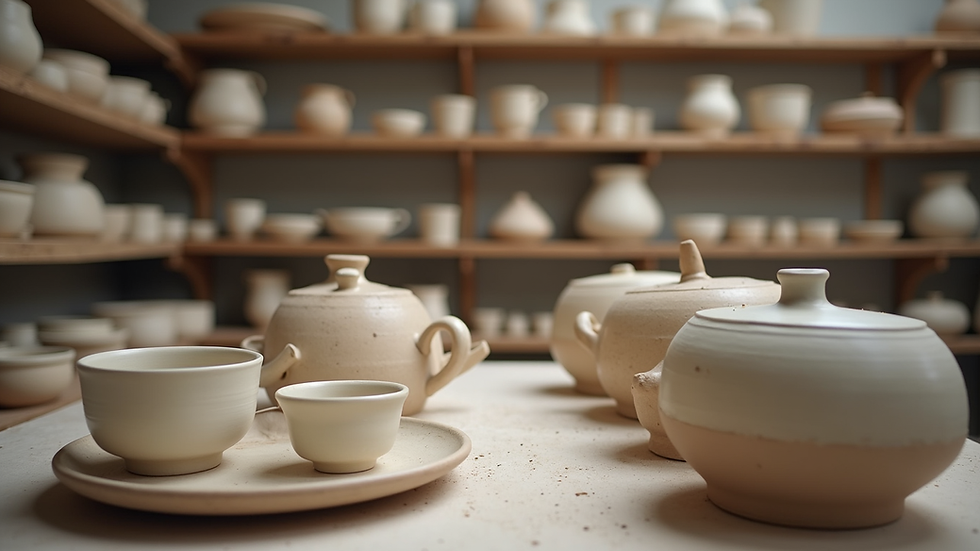
Colours inspired by nature, such as terracotta, ochre, and muted greens, are popular. These shades create a warm and inviting atmosphere. They also complement a wide range of interior styles, from rustic to modern.
Minimalist Forms
Simple, clean shapes remain in demand. Minimalist ceramics focus on form and function without excessive decoration. This trend suits those who prefer understated elegance.
Mixed Materials
Combining ceramics with other materials like wood, metal, or fabric adds contrast and interest. For example, ceramic vases with wooden bases or metal handles are gaining popularity.
Functional Art
Practical items such as mugs, plates, and planters are designed with artistic flair. This trend encourages the use of ceramics in everyday life, making art accessible and useful.
Hand-Painted Details
Hand-painted patterns and motifs add a personal touch. These details often draw from cultural or botanical themes, enhancing the story behind each piece.
Exploring Techniques and Materials
The techniques and materials used in ceramic art design influence the final look and feel of the pieces. Understanding these aspects helps in appreciating the craftsmanship involved.
Wheel Throwing and Hand Building
Wheel throwing remains a fundamental technique for creating symmetrical forms. Hand building allows for more experimental shapes and textures. Many artists combine both methods to achieve unique results.
Glazing and Firing
Glazing techniques vary widely, from glossy finishes to matte or crackled surfaces. Firing temperatures and atmospheres also affect colour and texture. Some artists use raku firing for unpredictable, smoky effects.
Sustainable Materials
There is growing interest in eco-friendly clays and glazes. Recycled materials and low-impact firing methods reduce environmental footprints. This trend aligns with the broader movement towards sustainability in art and design.

How to Incorporate Ceramic Art Design Trends at Home
Integrating current ceramic art design trends into home decor can enhance the aesthetic and create a unique atmosphere. Here are some practical tips:
Choose Statement Pieces
Select one or two standout ceramics, such as a large vase or sculptural bowl. These items can serve as focal points in a room.
Mix and Match Styles
Combine minimalist ceramics with hand-painted or textured pieces. This approach adds depth and interest without overwhelming the space.
Use Functional Ceramics
Incorporate ceramic items that serve a purpose, like mugs, planters, or candle holders. This makes art part of daily life.
Play with Colour Palettes
Stick to earth tones or muted colours for a cohesive look. Alternatively, use ceramics with subtle colour accents to brighten neutral rooms.
Display Thoughtfully
Arrange ceramics on open shelves, side tables, or window sills where they catch natural light. Grouping items in odd numbers often looks more appealing.
The Future of Ceramic Art Design Trends
The future of ceramic art design looks promising, with continued innovation and respect for tradition. Artists are likely to explore new materials and technologies while maintaining a focus on craftsmanship.
Digital tools such as 3D printing may become more common, allowing for complex shapes and customisation. However, the value of handmade ceramics will remain strong, especially among collectors and enthusiasts.
Sustainability will continue to shape the industry. Consumers increasingly seek products that are environmentally responsible and ethically made. This demand encourages artists to adopt greener practices.
Finally, the online market for ceramic art and design expands. Platforms like Ceramicso provide access to unique, handmade pieces from around the world. This accessibility helps connect artists with a wider audience and supports the growth of the craft.
Embracing Ceramic Art Design Trends for Unique Spaces
Staying informed about ceramic art design trends allows for thoughtful choices in decorating and collecting. By focusing on quality, originality, and sustainability, it is possible to create spaces that reflect personal taste and values.
Whether selecting a simple vase or a complex sculpture, ceramics offer versatility and charm. Their tactile nature and visual appeal make them ideal for adding warmth and character to any environment.
Exploring these trends encourages appreciation of the skill and creativity behind each piece. It also supports the artists who dedicate themselves to this timeless craft.


Comments